By Tom Raquer
November 30, 2025
Dear Essential American Citizen,
Imagine a community torn apart by conflicting beliefs. In this scenario, the ideals of tolerance clash with the need for safety and justice. This is not just a distant concern; it manifests in our daily lives and societal discussions. Today, we see this reality in various forms across Europe. This is particularly true in the UK, Germany, France, and Scandinavian countries. Issues surrounding Islam and immigration have sparked intense debate and tension in these countries. As we pursue a tolerant society, we often hear that acceptance of all individuals and ideas is a cornerstone virtue. But have we paused to consider what will happen if this virtue, applied without limits, becomes our greatest vulnerability? Should we face the uncomfortable paradox that to preserve our freedoms, we must be intolerant of one thing? INTOLERANCE ITSELF?
THE PARADOX AT THE HEART OF AMERICA
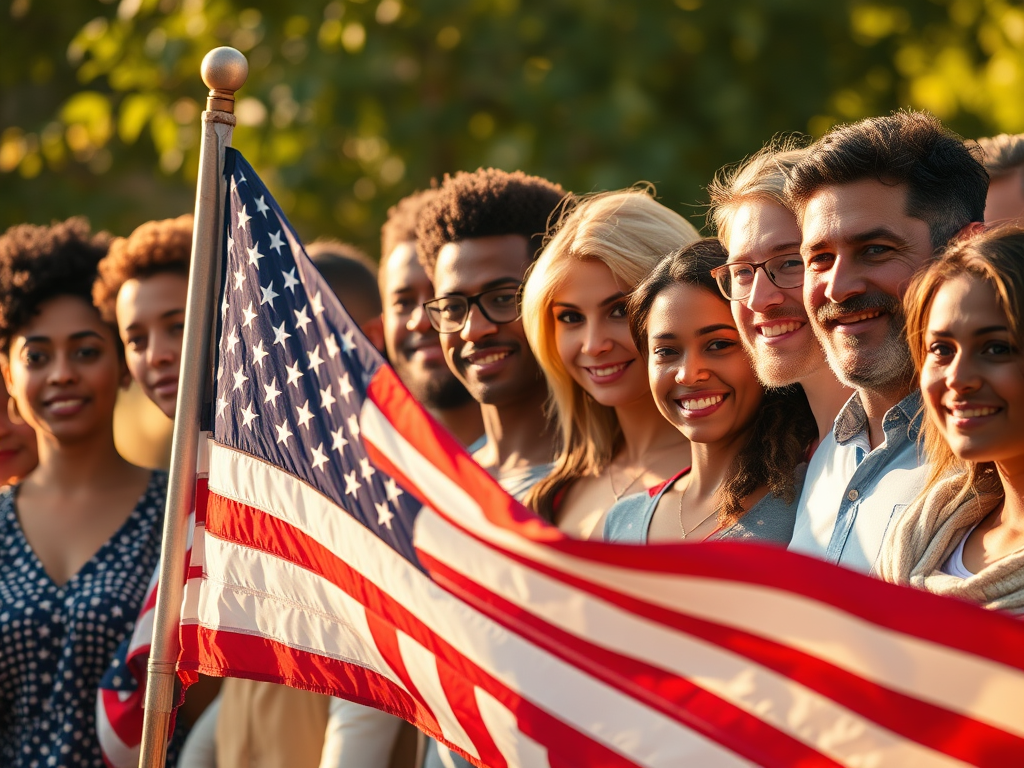
America isn’t just a country. It’s an extraordinary experiment in human history. The nation is built not on ethnicity but on the powerful idea that all people are created equal. People are endowed with inalienable rights. Throughout our history, we have faced profound challenges in embracing this ideal. These challenges range from civil rights movements to contemporary debates over immigration and equality.
Consider the Civil Rights Movement—a pivotal moment when ordinary citizens stood up to institutionalized discrimination. Their bravery reshaped laws and hearts alike, forging a path toward a more inclusive society. Yet, as we celebrate these victories, we must remain vigilant. Our framework relies on the courage to define what true tolerance means. Similar discussions are happening in Europe today. Communities grapple with the complexities of integrating diverse populations. They strive to maintain core values and social cohesion.
UNDERSTANDING INTOLERANCE
When we oppose harmful ideologies, we risk being labeled “phobic” or “racist.” These ideologies promote discrimination against women, religious minorities, or any individual. Yet let’s be clear: opposing ideologies that foster discrimination, violence, or supremacy is not bigotry; it’s a matter of principles.
For instance, rejecting extremist ideologies—whether from abroad or within our borders—doesn’t equate to rejecting people. It upholds our values as a diverse society. It is crucial to differentiate between opposing harmful behaviors and fostering an environment that embraces cultural diversity. Just like in any family, we must set rules to ensure everyone can thrive together peacefully.
CIVIC NATIONALISM VERSUS ETHNIC NATIONALISM
It’s essential to distinguish between civic nationalism and ethnic nationalism:
– Ethnic Nationalism focuses on questions of origin: “Where do you come from?” It defines belonging by bloodlines and ancestry.
– Civic Nationalism, on the other hand, asks: “Do you believe in the ideals that unite us?” It involves making a conscious choice to embrace a society governed by shared laws and principles. It also means welcoming those committed to our constitutional order.
This civic framework doesn’t require abandoning cultural identities. It simply prioritises our identity as citizens who uphold the values of freedom and democracy. Critics argue that prioritizing civic nationalism can undermine genuine cultural diversity. However, true inclusion lies in a shared commitment to our core values. It does not result from fragmentation along ethnic lines.
SETTING BOUNDARIES FOR OUR SOCIETY
To maintain our values, we must establish clear rules for participation:
1. No Parallel Legal Systems: The U.S. Constitution is the supreme law for all.
2. No Ideology Mandating Discrimination: Equal rights for everyone are non-negotiable.
3. No Violence Justified by Supremacy: Acts justified by a sense of superiority are unacceptable and contrary to our values.
4. No Divided Allegiance. We respect our heritage. However, our primary loyalty must rest with the American ideals of equality and democracy.
These guidelines are not exclusionary; they’re crucial for a society that aims to be fair and just for everyone involved.
THE TRUE MEANING OF TOLERANCE
Let’s clarify what we accept and what we reject. We embrace diversity in thought, heritage, and custom. However, we cannot extend our tolerance to encompass intolerance itself. A society that allows harmful ideologies to fester cannot sustain its peace. Rising tensions across Europe show this. Some communities have struggled to assimilate diverse cultures. They have also faced challenges in upholding their foundational principles.
OUR MODEL OF SUCCESS
The American model shines where others falter because it assesses individuals based on their contributions and values, not their ancestry. This ethos is crucial. Our history carries moments of triumph and failure. It spans the Civil Rights Movement to the painful recollections of Japanese American internment during World War II. These moments remind us of the dangers of unchecked bigotry. These events serve as cautionary tales about what can happen when intolerance seeps into the fabric of society.
Despite our flaws, our system incorporates mechanisms for self-improvement, emphasizing our commitment to justice and equality. As citizens, we must actively promote these values in our communities. We can do this through education, dialogue, and civic engagement. This effort strengthens our commitment to a just society.
MOVING FORWARD: EMBRACING OUR VALUES WITH CLARITY
As we navigate these complex issues, we must not let false accusations silence us. It’s time to:
1. Celebrate civic nationalism as a significant achievement in human cooperation.
2. Educate every citizen about their rights and responsibilities within this society. Community forums and workshops can help foster understanding.
3. Enforce our laws fairly and equally against those who would undermine our principles.
4. Judge each individual by their commitment to shared American values rather than labels.
CONCLUSION: DEFENDING OUR FREEDOM
The American experiment is a powerful testament to the ability of diverse groups to coexist harmoniously. However, protecting this experiment requires bravery—the bravery to defend the principles that allow our society to thrive.
We welcome anyone wishing to join our American family. We will stand firm in protecting the values that make this family possible. This perspective shapes our national identity and fosters an environment where everyone can succeed.
YOUR TURN
As we consider the intricate balance between tolerance and the necessity of standing firm against intolerance, I invite you, The Essential American Citizen, to reflect on this question:
In what ways do you think our society balances the need for tolerance with the necessity of rejecting intolerance?
Tom Raquer is a retired United States Air Force Southeast Asia Foreign Area Officer. He is also a former USA army sergeant. He had long and short term assignments in Thailand, Vietnam, The Philippines, Indonesia, East Timor, Malaysia, Singapore, Cambodia Laos. Tom is dedicated to the preservation and strengthening of our American Constitutional Republic.
Leave a Reply The Essential American Citizen Thanks you!