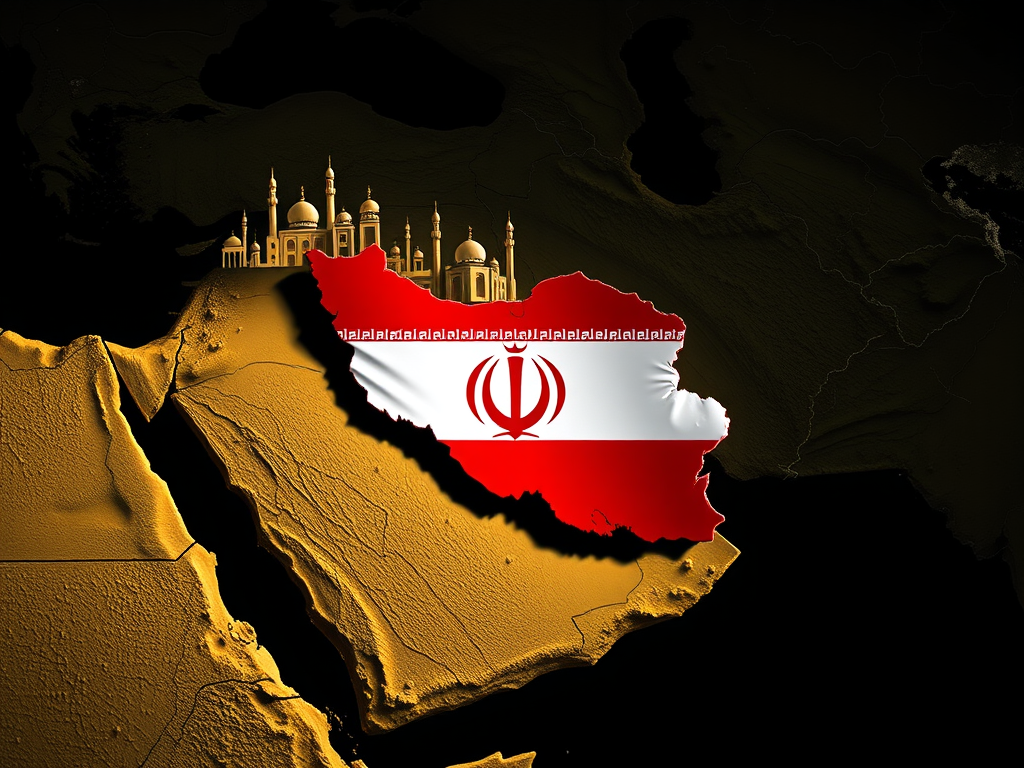
Understanding Institutional Resilience in Modern Conflict
By Tom Raquer
Lt. Col. (Ret.), USAF • Southeast Asia Foreign Area Officer
Published: March 24, 2026
Introduction
Modern military strategy often assumes that removing leadership will collapse an adversary’s system.
This assumption has shaped U.S. operational planning for decades.
But it does not apply universally.
In conflicts involving structurally resilient states, decapitation does not produce collapse.
It produces continuity.
This is not a failure of execution.
It is a failure of understanding.
Strategic Context
The United States appears to have approached this conflict with a decapitation model:
Remove leadership → trigger collapse.
This model applies to personalist regimes in which authority is concentrated.
It fails in systems designed for resilience.
Iran as a System, Not a Regime
Iran’s political structure distributes power across institutions.
Decision-making is not dependent on a single leader.
Leadership is replaceable.
The system is designed to endure disruption.
Institutional and Military Resilience
Iran’s structure extends into its military organisation:
- Decentralised command
- Distributed operational authority
- Independent unit capability
This creates a key effect:
Disruption does not eliminate resistance.
It disperses it.
From Decisive War to Attrition
When collapse is not achievable, conflict shifts:
- From decision → to endurance
- From rapid victory → to prolonged competition
- From battlefield dominance → to cost imposition
Time becomes the decisive factor.
The Political Dimension
Sustained conflict generates internal pressure:
- Economic strain
- Declining public support
- Erosion of legitimacy
The centre of gravity shifts from the battlefield to society.
Strategic Implications
The core failure is conceptual:
A strategy designed for one type of system has been applied to another.
The result:
- No decisive collapse
- No clear end state
- Increasing long-term cost
Conclusion
Modern adversaries are increasingly structured to be resilient.
Strategies built on collapse must adapt—or fail.
Key Takeaways
- Decapitation is ineffective against distributed systems
- Iran’s structure prioritises continuity
- War shifts toward attrition and endurance
- Political sustainability becomes decisive
- Strategy must align with system structure
Sources
- Global Geopolitics (March 21, 2026)
- Carl von Clausewitz, On War
About the Author
Tom Raquer is a retired U.S. Air Force Lieutenant Colonel and Southeast Asia Foreign Area Officer. His work focuses on geopolitics, strategic theory, and long-term structural change in international systems.

Leave a Reply The Essential American Citizen Thanks you!