Tag: geopolitics
-
THE STRAIT WILL NOT OPEN BECAUSE THEY DEMAND IT
THE STRAIT WILL NOT OPEN BECAUSE THEY DEMAND IT April 3, 2026 Tom Raquer Lt. Col. (Ret.), USAF • Southeast Asia Foreign Area Officer From the series: After the Winter — Collapse, Spring, and the New First Turning Writing for First Turning Strategists PREVIEW Forty nations can meet. They can issue statements. They can demand…
-
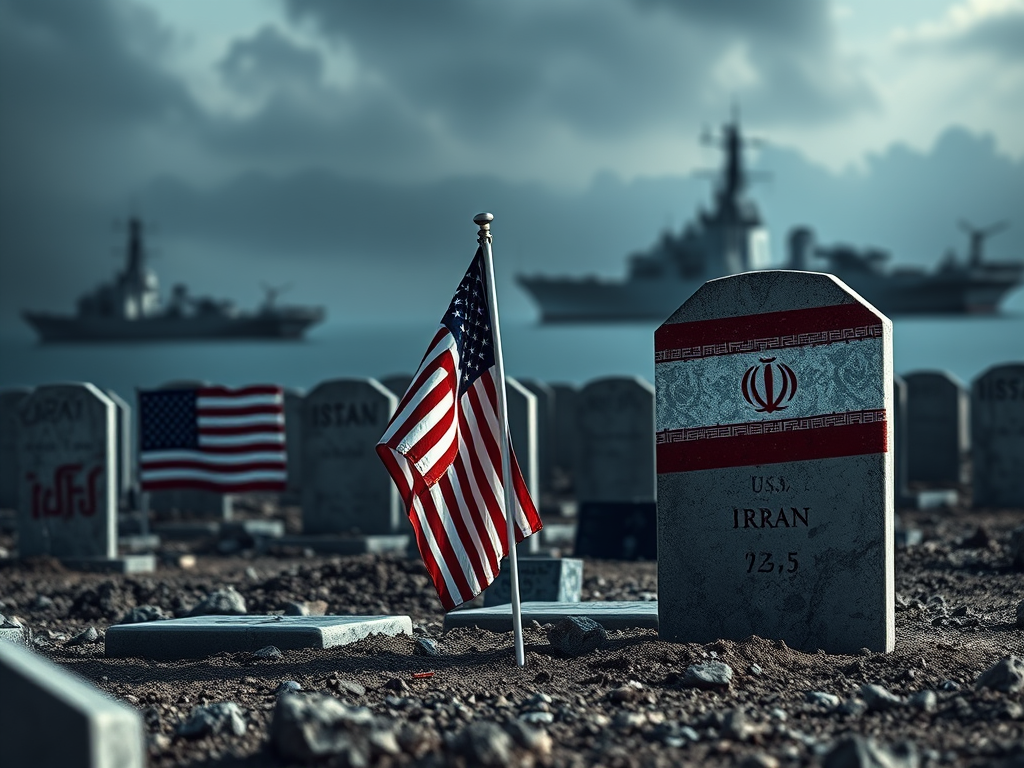
KHARG IS NOT A TARGET — IT IS A TRAP
Kharg Island looks like a decisive oil target. It isn’t. It’s a trap. Modern energy systems don’t break where they’re struck—they adapt, redistribute stress, and expand the battlefield. The real fight isn’t over oil infrastructure. It’s over risk, flow, and control.
-

YOU (USA)HAVE THE WATCH — THEY HAVE THE TIME (IRAN)
The United States measures progress in days. Iran measures it in endurance. That is the mismatch. And in war, mismatches decide outcomes. Because the actor who controls time does not need to win the battlefield. It only needs to make sure that the war does not end on the opponent’s terms. The United States may…
-

-
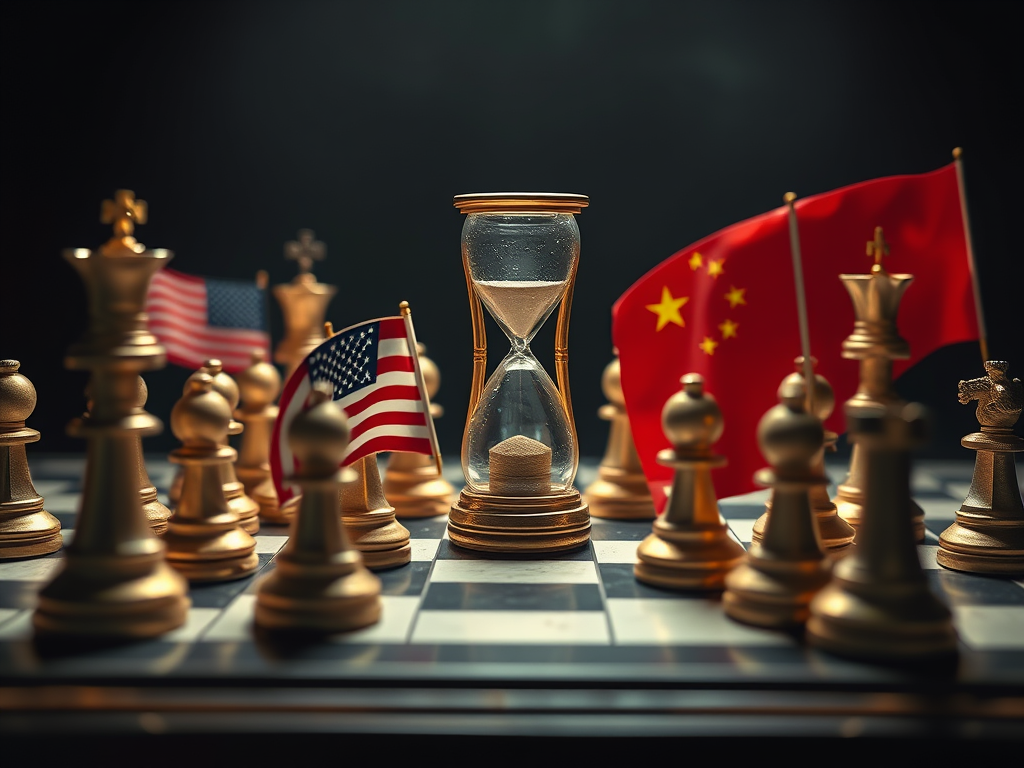
HOW CHINA SEES THIS WAR
This is not a war China needs to win. It is a system already producing pressure. One side is engaged in the fight. The other is positioned to gain from the network’s evolution. And in prolonged conflict— Advantage does not always go to the side that acts. It often goes to the side that can…
-
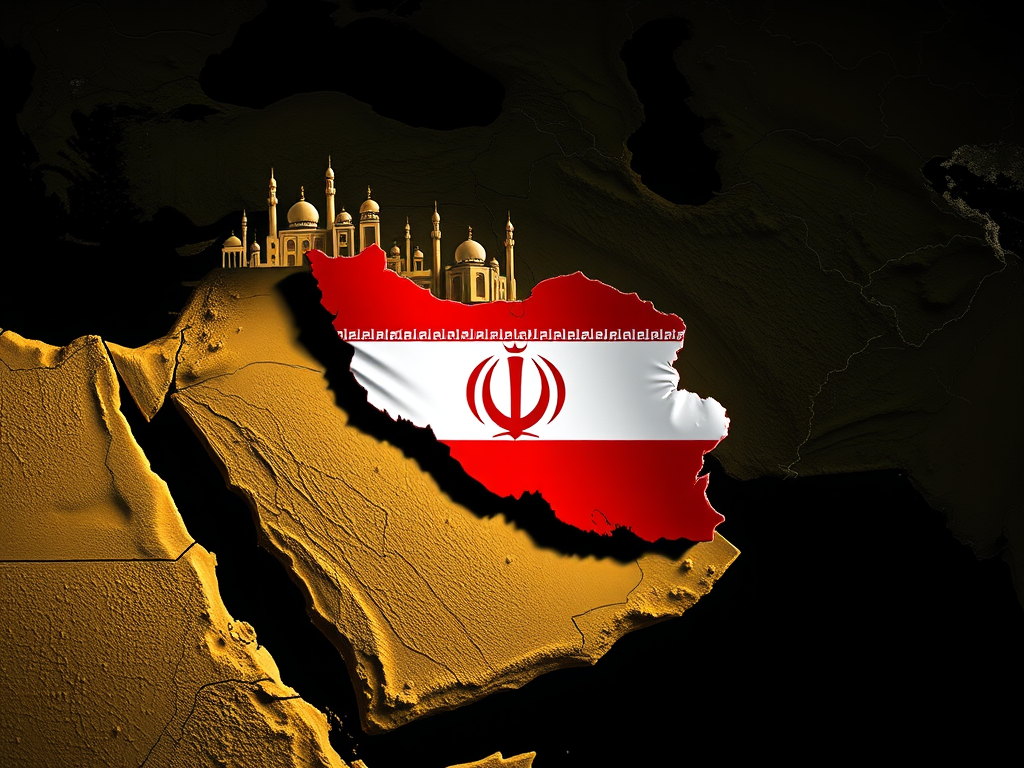
Why Decapitation Fails Against Systems: Iran and the Limits of U.S. Strategy
Key Takeaways * Decapitation is ineffective against distributed systems * Iran’s structure prioritises continuity * War shifts toward attrition and endurance * Political sustainability becomes decisive Strategy must align with system structure
-
THE END OF THE MARITIME SECURITY FRAMEWORK
Key Points * The global system depends on secure maritime trade routes * U.S. power has underwritten that system since World War II * This role is a strategic choice, not a permanent condition * Internal pressures are now constraining external commitments * Chokepoint disruptions reveal systemic vulnerability The system is shifting from stabilising to…
-
The Sectarian Fault Line
The war with Iran is not yet a Sunni–Shia war. But history suggests that conflicts in the Middle East rarely remain purely geopolitical. If the current confrontation widens, the deeper sectarian fault line of the Islamic world may once again shape the struggle for regional power.
-

Republic-First Realism
Wars that weaken domestic legitimacy can undermine national power even if they produce battlefield success.
-
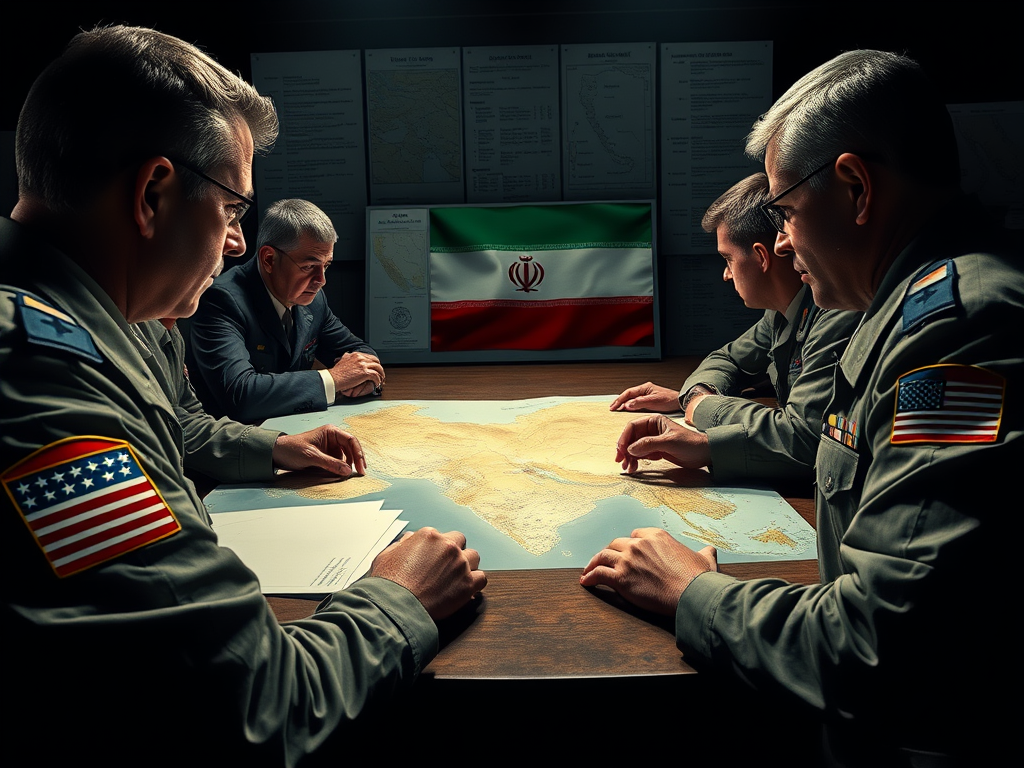
Globalization Suspended Geopolitics
For several decades, U.S. strategic planning has increasingly focused on the Indo-Pacific as the central theatre of global power competition. This assumption underlies force posture decisions, alliance structures, and the designation of China as the primary pacing threat. Yet if the geopolitical conditions that sustained globalisation weaken, some of these assumptions may prove less certain.…