Tag: Clausewitz
-

FLEXIBILITY WITHOUT PURPOSE
The United States once had a framework for war: Clear objective. Overwhelming force. Public support. Defined end state. It was imperfect—but it was coherent. That coherence is now gone. What has replaced it is not a new doctrine. It is the absence of one.
-

YOU (USA)HAVE THE WATCH — THEY HAVE THE TIME (IRAN)
The United States measures progress in days. Iran measures it in endurance. That is the mismatch. And in war, mismatches decide outcomes. Because the actor who controls time does not need to win the battlefield. It only needs to make sure that the war does not end on the opponent’s terms. The United States may…
-

Republic-First Realism
Wars that weaken domestic legitimacy can undermine national power even if they produce battlefield success.
-
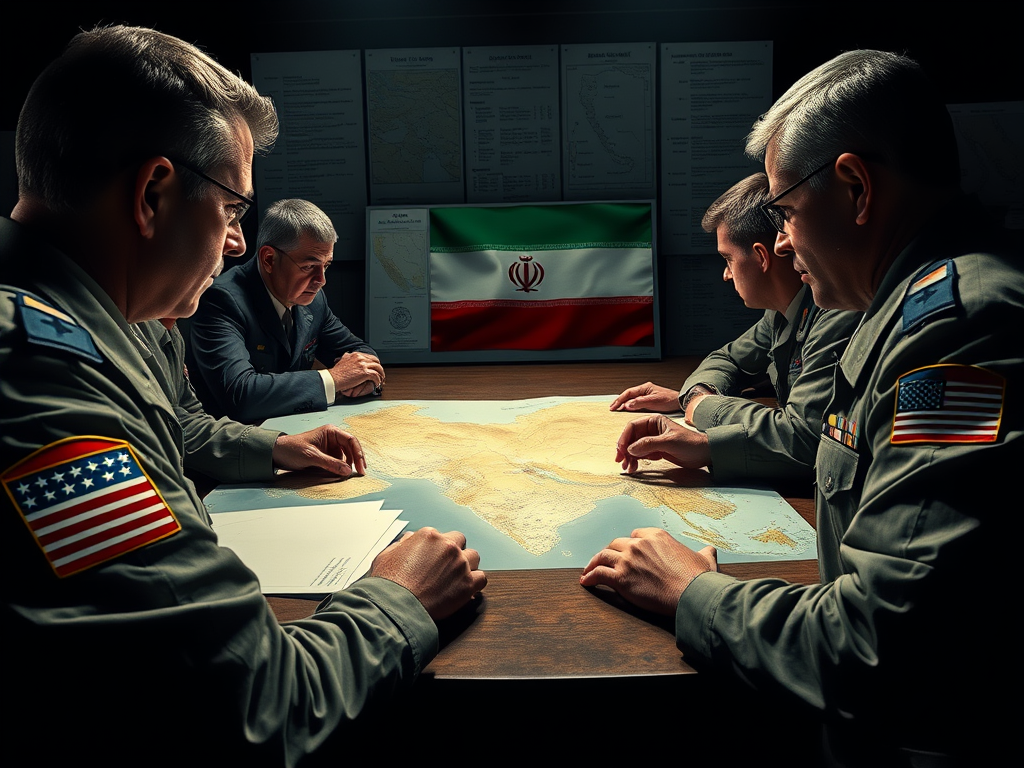
The Strait That Tests an Order
Author Comment This essay explores a structural question in strategy: why major wars tend to emerge during periods of institutional strain rather than political stability. If crisis periods weaken legitimacy and intensify internal division, external conflict can become more than a geopolitical contest. It becomes a test of whether the political system itself can sustain…
-
Preview — March 10, 2026
Preview — March 10, 2026 Strategy often fails not because power is lacking, but because the analogy guiding it is wrong. Treating Iran like Venezuela — assuming sustained pressure will fracture elites and produce a compliant successor — is a dangerous misread. Iran’s authority rests on dense clerical, security, and ideological institutions, as well as…
-
The Centre of Gravity of a Republic
Many realists believe the United States must manage a new multipolar world. Among them is the internationally known political risk analyst John Hulsman. The true center of gravity of a republic lies with its citizens. Yet, a deeper question emerges. Can the republic itself sustain that role?
-
Iran and the Consent Gap: A Policy in Search of Strategy
Vietnam began with overwhelming American support. The war with Iran begins less than one-third of the way there. That difference is not political commentary. It is a structural strategic condition. In a republic, the most important battlefield is not overseas. It is the political consent of the citizens at home.