Strategy, Legitimacy, and the American Republic
Strategic essays on grand strategy, civil-military legitimacy, and the renewal of the American republic during a Fourth Turning crisis.
Tom Raquer
Lt. Col. (Ret.), USAF • Southeast Asia Foreign Area Officer
Readers, this Substack—After the Winter—examines the strategic foundations of the American republic during a period of systemic stress.
Strategy begins with the regime that wages war.
Wars test military ability.
Crises test the legitimacy of the regime that wages them.
Most commentary on foreign policy focuses on immediate events—wars, elections, diplomatic disputes, and daily political conflict. Those developments matter. But they often obscure the deeper structural forces shaping strategy.
This publication begins from a different premise.
In a republic, the citizen is the center of gravity.
Strategy must thus align three elements:
• political purpose
• military means
• citizen consent
When these elements diverge, strategy begins to undermine the political foundations of the state that practices it.
The essays published here examine the relationship between power, legitimacy, and the strategic sustainability of the American republic.
Strategic Diagnosis
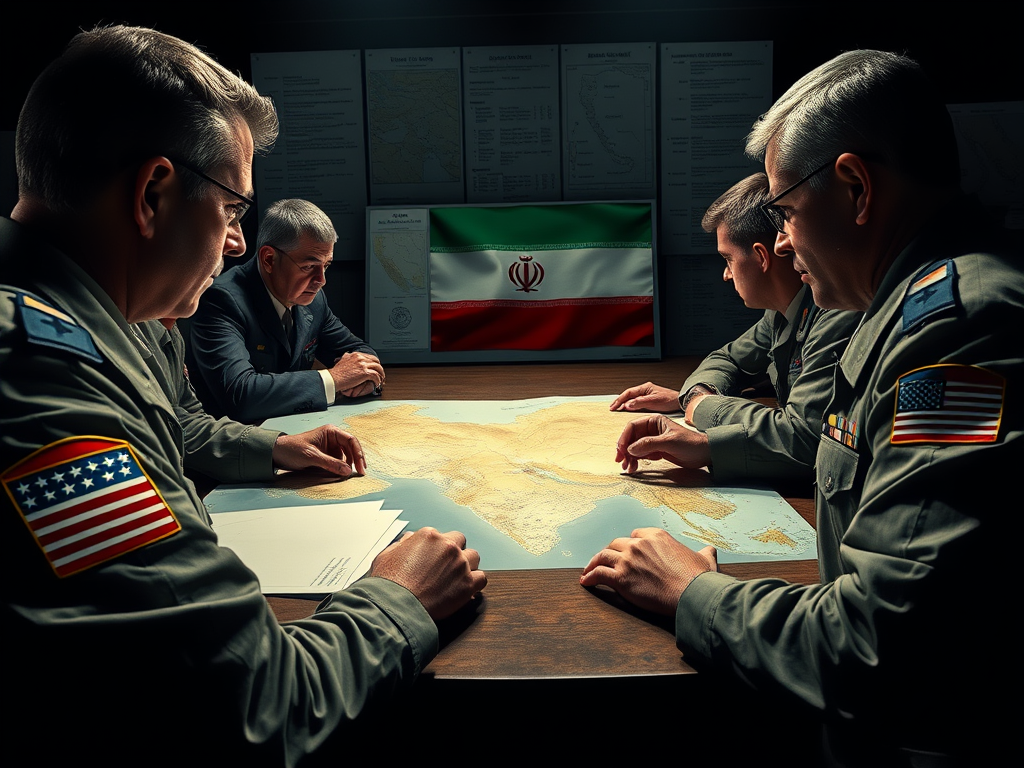
The current war with Iran illustrates the problem this publication seeks to examine.
Beyond the battlefield consequences, the conflict raises a deeper strategic question: how a republic sustains military commitments when public consent is uncertain and constitutional authorization remains contested.
Wars fought during periods of institutional stress often test more than military ability. They test whether the political foundations of the republic stay strong enough to sustain strategy at all.
Republic-First Realism
The framework guiding this work is what I describe as Republic-First Realism.
Traditional realism emphasizes geography, power balances, and national interests. Those factors stay essential. But they do not fully capture the constraints facing a constitutional republic.
In a republic, legitimacy is not a secondary consideration.
It is a strategic condition.
Without public consent and constitutional authorization, power can still be exercised. But it can’t easily be converted into a durable policy.
This insight is implicit in the work of Carl von Clausewitz, who described war as the continuation of politics by other means.
In a republic, the political foundations of war ultimately rest on the consent of the citizen.
When that consent erodes, strategy becomes unstable.
After the Winter
Many of the essays published here form part of the series After the Winter: Collapse, Spring, and a New First Turning.
The title reflects the idea that periods of institutional stress eventually give way to political renewal.
Crisis cycles described in works like The Fourth Turning suggest that republics periodically confront moments when legitimacy, authority, and national identity are tested at the same time.
Wars fought during such periods are not merely military contests.
They are tests of whether the republic’s political structure remains capable of sustaining strategy at all.
What This Publication Will Examine
Future essays will explore several recurring themes:
• civil-military legitimacy
• constitutional authorization for war
• strategic overextension and the modern “Lippmann Gap”
• crisis cycles and institutional stress
• the strategic foundations of American renewal
Some essays will examine historical cases.
Others will analyze contemporary conflicts through the lens of strategic structure rather than daily political commentary.
The Strategic Question
Every republic ultimately confronts the same strategic constraint:
What commitments can it sustain?
Foreign policy that ignores the relationship between power and legitimacy risks transforming external conflicts into internal crises.
A realism that cannot preserve the republic that practices it is not realism at all.
It is decline management.
Question for Readers
If the American citizen is the centre of gravity of the republic, what strategic commitments can the United States sustain when public consent begins to erode?
Author
Tom Raquer is a retired U.S. Air Force Lieutenant Colonel and Southeast Asia Foreign Area Officer.
He writes on grand strategy, civil-military legitimacy, and the strategic foundations of the American republic.
Leave a Reply The Essential American Citizen Thanks you!