Author: Tom Raquer
-
THE END OF THE MARITIME SECURITY FRAMEWORK
Key Points * The global system depends on secure maritime trade routes * U.S. power has underwritten that system since World War II * This role is a strategic choice, not a permanent condition * Internal pressures are now constraining external commitments * Chokepoint disruptions reveal systemic vulnerability The system is shifting from stabilising to…
-
When Strategy Forgets the Citizen
Why the Indo-Pacific May No Longer Serve American Interests Tom Raquer Lt. Col. (Ret.), USAF • Southeast Asia Foreign Area Officer From the series: After the Winter — Collapse, Spring, and the New First Turning Published: March 17, 2026 Preview For decades, American strategy has assumed that the Indo-Pacific will be the central theatre of…
-
The Indo-Pacific Delusion
Why Energy, Sea Power, and Geography Still Decide Asia’s Future Tom Raquer Lt. Col. (Ret.), USAF • Southeast Asia Foreign Area Officer Independent Consultant — Indo-Pacific Geopolitics, Maritime Strategy, and Energy Security From the series: After the Winter — Collapse, Spring, and the New First Turning Published: March 16, 2026 The Indo-Pacific economy depends on…
-
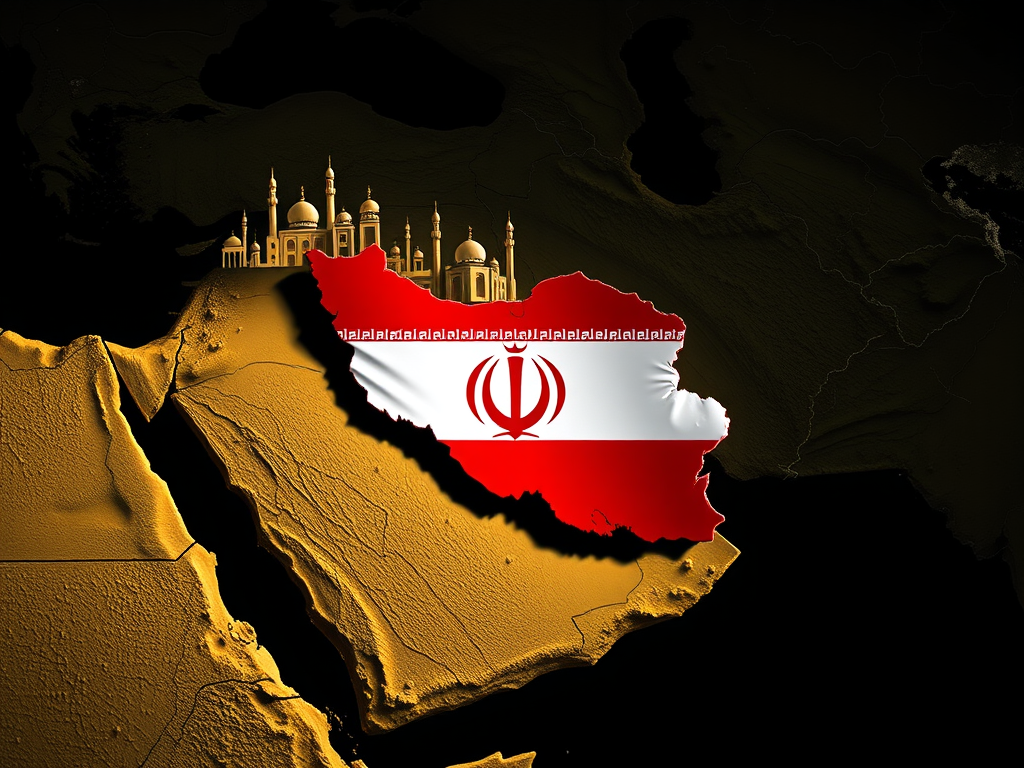
The Sectarian Fault Line
The war with Iran is not yet a Sunni–Shia war. But history suggests that conflicts in the Middle East rarely remain purely geopolitical. If the current confrontation widens, the deeper sectarian fault line of the Islamic world may once again shape the struggle for regional power.
-

Republic-First Realism
Wars that weaken domestic legitimacy can undermine national power even if they produce battlefield success.
-
Globalization Suspended Geopolitics
For several decades, U.S. strategic planning has increasingly focused on the Indo-Pacific as the central theatre of global power competition. This assumption underlies force posture decisions, alliance structures, and the designation of China as the primary pacing threat. Yet if the geopolitical conditions that sustained globalisation weaken, some of these assumptions may prove less certain.…
-
The Strait That Tests an Order
Author Comment This essay explores a structural question in strategy: why major wars tend to emerge during periods of institutional strain rather than political stability. If crisis periods weaken legitimacy and intensify internal division, external conflict can become more than a geopolitical contest. It becomes a test of whether the political system itself can sustain…
-
CultureLeads: Why National Identity Shapes Strategy
A republic that loses confidence in its own cultural identity will eventually struggle to sustain a coherent strategy.Political institutions do not sustain themselves automatically. They depend on a deeper foundation of shared identity, cultural cohesion, and legitimacy.
-
Preview — March 10, 2026
Preview — March 10, 2026 Strategy often fails not because power is lacking, but because the analogy guiding it is wrong. Treating Iran like Venezuela — assuming sustained pressure will fracture elites and produce a compliant successor — is a dangerous misread. Iran’s authority rests on dense clerical, security, and ideological institutions, as well as…
-
The Centre of Gravity of a Republic
Many realists believe the United States must manage a new multipolar world. Among them is the internationally known political risk analyst John Hulsman. The true center of gravity of a republic lies with its citizens. Yet, a deeper question emerges. Can the republic itself sustain that role?